Apartment Renovation in Dubai: What to Sort Out Before Work Starts
Planning an apartment renovation in Dubai? Learn how to set the scope, check building approvals, compare quotes and plan the order of work.
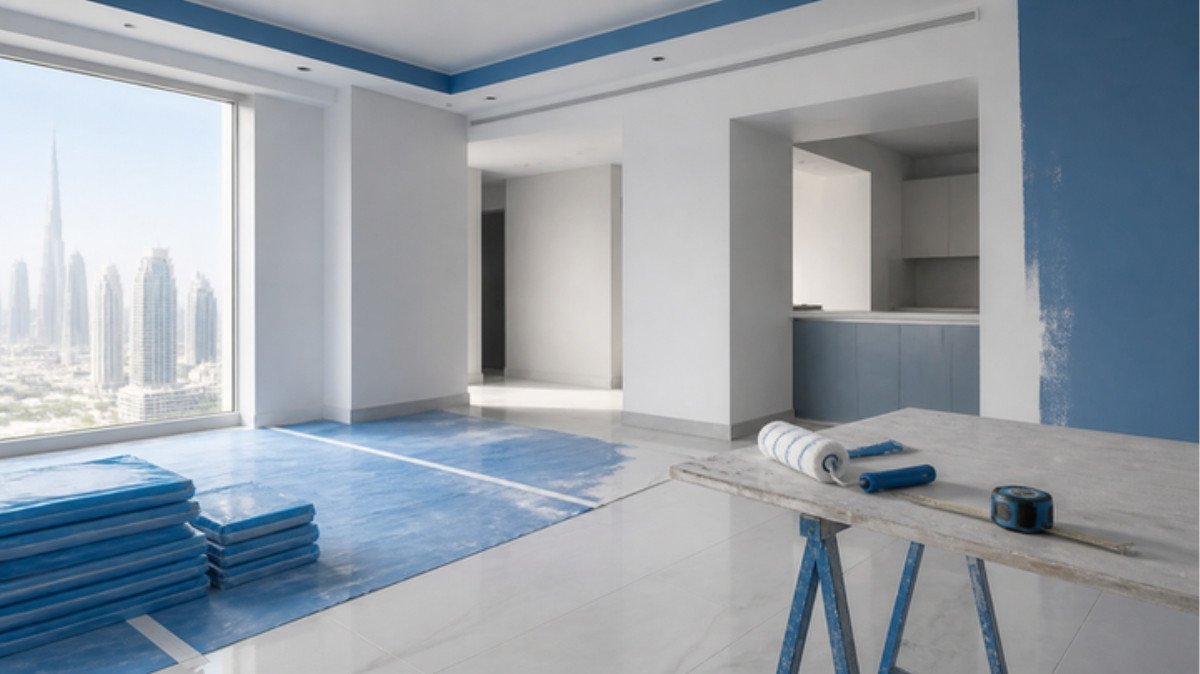
Most renovation problems do not start on the first day of work. They start weeks earlier, when the scope is vague, the building has not been asked for permission and nobody has agreed what “finished” means. A little preparation makes an apartment renovation in Dubai calmer, faster to organise and easier to control.
This guide is for owners, tenants, landlords and property managers. It covers what to decide, what to ask and what to check before any wall is opened or any tile is lifted.
Start with a clear scope
Write down what you want changed, room by room. Separate the must-haves from the nice-to-haves, because that list is what you will use to compare quotations and to judge the finished work.
Typical apartment renovation work includes bathroom and kitchen upgrades, flooring and tiling, carpentry such as wardrobes and shelving, gypsum ceilings and partitions, and a final paint finish. Most jobs involve more than one trade, so note which trades will be needed and what each one touches. Take photos and rough measurements before you speak to anyone; they save time at the site visit.
Check building rules and approvals first
This is the step people skip, and it is the one most likely to stop a job halfway. Some works need building-management or authority approval. If you rent, you also need your landlord’s permission, ideally in writing.
Ask building management, before you book any work:
- Whether your planned work needs approval, and what documents they want to see.
- What working days and hours apply, and whether noisy work is restricted.
- How materials and debris must be moved, and whether lift or corridor protection is required.
- Whether any deposit or fee applies for the works.
Get the answers in writing and keep them with your renovation file. A good contractor will advise on approvals during the site visit, but the responsibility to ask is shared.
Understand the order of work
The exact sequence depends on the job, but the logic is usually the same: messy and structural work first, finishes last.
- Removal of old fittings, tiles or cabinets where needed.
- Plumbing and electrical changes, before surfaces are closed up.
- Waterproofing in wet areas such as bathrooms.
- Gypsum, partitions and carpentry framing.
- Tiling and flooring.
- Painting and final finishes.
- Fitting of vanities, cabinets, fixtures and accessories, then a final clean.
Painting late protects the finish from dust, and doing plumbing and wiring early avoids cutting into new surfaces. If someone proposes a very different order, ask them to explain why.
Give wet areas extra care
Bathrooms and kitchens deserve the most attention. Waterproofing and tiling are hidden once finished, so a mistake can show up months later as a damp patch or a neighbour’s complaint. Ask how waterproofing will be done and checked before tiles go down.
Ask for an itemised quotation
A single lump-sum figure makes comparison almost impossible. Ask for a quotation that lists the work item by item, says what materials are included and states who removes debris and cleans up.
Before you accept one, check that:
- A site visit took place. A quotation given without seeing the apartment is only an estimate.
- The scope matches your written list.
- The timeline is agreed and written down.
- Changes to the scope are agreed in writing before they are made.
When you compare two quotations, make sure they cover the same work. A lower figure often just means something is left out.
Plan for living through it
Renovation brings dust, noise and occasional water or power interruptions. Decide early whether you will stay, and ask the contractor which rooms are affected and when. Staying is often possible, depending on the scope, but a kitchen or bathroom renovation changes how you live day to day.
Think about practical details too: protecting floors and furniture, booking the lift for deliveries, telling neighbours about noisy days, and where valuables and documents will be kept.
Common mistakes
- Starting work before building management or the landlord has approved it.
- Agreeing changes verbally, then disputing them at the end.
- Ordering tiles, fittings or cabinets before measurements are confirmed.
- Leaving finish choices until the last minute, which stalls the job.
- Comparing quotations that do not cover the same scope.
- Skipping the final walkthrough because the work “looks fine”.
Warning signs during the work
Stay alert while the job is running. Raise it immediately if you notice:
- Damp patches, staining or a musty smell near newly finished wet areas.
- New cracks in tiles, plaster or gypsum.
- Floors or surfaces left unprotected, or debris left in common areas.
- Reluctance to put changes or extra costs in writing.
- Work stopped by building management because an approval was missing.
If you see water leaking or smell burning from a socket or switch, stop the work, switch off the relevant supply if it is safe to do so and call a professional.
Tenants, landlords and property managers
Tenants should read their tenancy contract and get written permission before changing anything, including what must be restored at the end of the tenancy. Landlords renovating between tenants should keep before-and-after photos and itemised invoices for their records. Property managers handling several units benefit from one scope template, one point of contact and a single folder of approvals and quotations per property.
Finish with a proper walkthrough
Before final payment, walk through every room with your original scope list. Run the taps and check drains, test sockets and switches, open every door and drawer, and look closely at tile lines, grout, paint edges and skirting. Write any snags down and agree in writing how and when they will be fixed.
When to call a professional
Small cosmetic jobs may be manageable yourself, subject to your building’s rules. Anything involving plumbing, wiring, waterproofing, gypsum ceilings, partitions or several trades working together is better handled by a professional team.
How Clear Home can help
Clear Home’s renovation services cover bathroom and kitchen upgrades, flooring and tiling, carpentry and joinery, gypsum and partitions, and painting and finishing. Each job starts with a site visit and scope discussion, followed by an itemised quotation, an agreed timeline, progress updates and a final walkthrough with you. Landlords and managers with several units can see our property management page, or you can request a quote and describe what you have in mind.
Quick summary
Define the scope, ask your building and landlord for approval in writing, understand the order of work, compare itemised quotations that cover the same scope, agree changes in writing and finish with a walkthrough before final payment.