How to Prepare Your Dubai Apartment for Painting
Planning to repaint your Dubai apartment? Learn how to check walls, repair damp and cracks, protect floors and prepare for a clean finish.
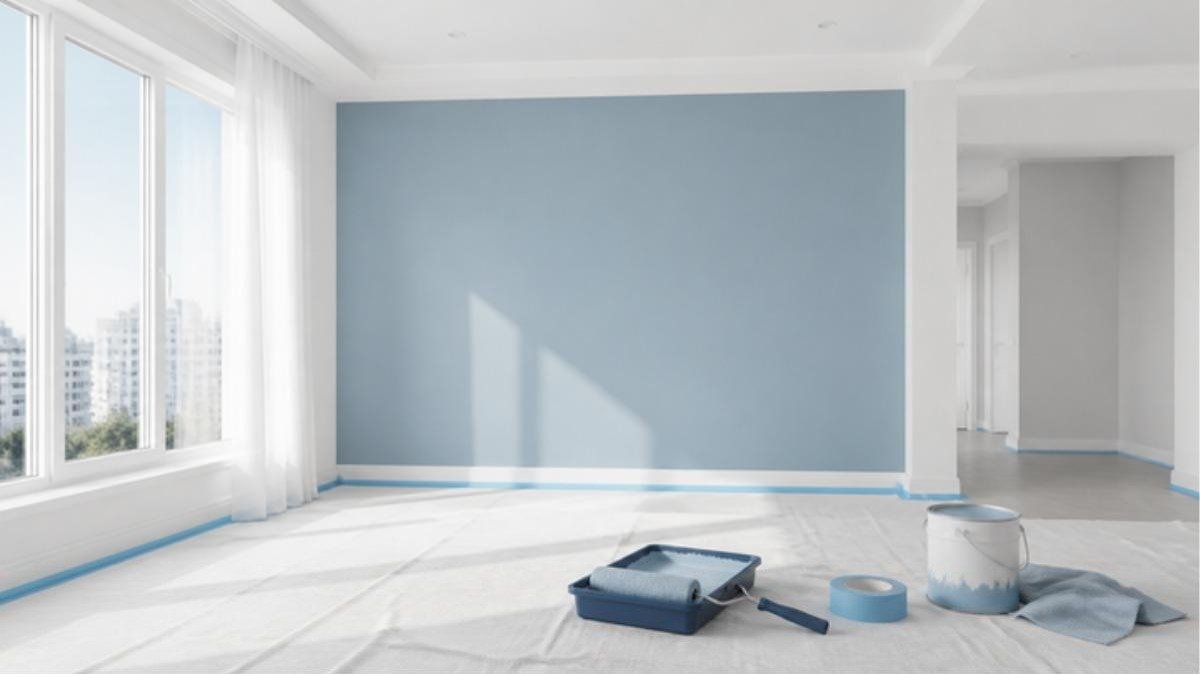
A fresh coat of paint is one of the simplest ways to refresh an apartment or villa in Dubai, whether you are moving in, moving out or just tired of tired walls. But the finish you see on the last day depends heavily on what happens before the first brush touches the wall. This guide explains how to prepare for painting in Dubai, what to check on your walls, and which mistakes to avoid.
Decide what kind of paint job you need
Start by being clear about the scope. A feature wall, a full repaint of walls and ceilings, and a move-out repaint at the end of a tenancy are different jobs with different preparation needs. Walk through each room and note which walls need work, whether ceilings are included, and whether any areas such as balconies or boundary walls are part of the plan.
Writing this down helps in two ways. You will describe the job more accurately when you ask for a quotation, and you will avoid surprises when the work starts.
Check the walls before you choose colours
Paint hides very little. Marks, cracks and damp patches that are not dealt with first tend to show through the new finish. Look at your walls in daylight and again with a torch held at an angle, which exposes bumps and uneven patches.
Things to look for:
- Hairline cracks near door frames, window corners and ceiling edges.
- Stains or discoloured patches, especially near bathrooms, kitchens and air-conditioning units.
- Bubbling, flaking or peeling paint, which can point to moisture behind the surface.
- Old nail holes, screw holes and dents left by previous shelves or wall mounts.
- Greasy marks in kitchens and fingerprints around light switches.
If you see damp or repeated staining, the cause should be found before repainting. Painting over a moisture problem usually means the same marks return. A leak or condensation issue may need a plumber or an AC technician first, not a painter.
Step-by-step: getting your home ready
These steps apply whether you are doing the clearing yourself or letting a team cover and move larger items.
- Clear small items. Take down pictures, mirrors, curtains, shelves and ornaments. Empty the shelves and surfaces near the walls being painted.
- Make space around furniture. Larger pieces can be pulled to the middle of the room and covered. Ask your painting team in advance what they will move and what you should clear.
- Protect floors and fixtures. Floors, door frames, skirting and switches should be covered or masked so paint does not mark them.
- Clean the surfaces. Dust and grease stop paint from sticking evenly. Wipe walls where needed and let them dry.
- Repair before painting. Cracks and holes need filling and sanding smooth. Damp-affected areas should be treated and sealed before any colour goes on.
- Confirm the colour. Look at a sample on the wall in morning and evening light, because the same shade can look different at different times of day.
- Plan ventilation and access. Decide which rooms will be unavailable, and keep pets and children away from freshly painted areas while it dries.
Choosing colours that work in Dubai homes
Dubai apartments often have strong natural light and large windows, which can make deep colours look brighter and bolder than the small sample suggested. Lighter, neutral shades usually make a room feel larger and are easy to match later if you need touch-ups. A feature wall is a good way to try a stronger colour without committing the whole room.
If you are a tenant, remember that a colourful finish may need to be reversed later. Check your tenancy contract and speak to your landlord or property manager before changing wall colours.
Common mistakes to avoid
- Skipping preparation. Painting straight over cracks, stains or dust is the fastest way to a patchy result.
- Choosing colour from a screen. Always check a physical sample on your own wall.
- Painting over damp. The paint may look fine for a few weeks, then bubble or stain again.
- Forgetting the ceiling. A bright new wall next to a yellowed ceiling looks unfinished.
- Leaving the scope vague. Not knowing whether ceilings, doors or touch-ups are included causes disagreements later.
- Rushing the drying. Putting furniture back or hanging pictures too soon can mark the new finish.
Move-out repaints for tenants, landlords and property managers
At the end of a tenancy, walls are often one of the first things checked. Scuffs, marks and old fixings can add up, and a fresh repaint is a common way to return a property in good condition. Tenants should read their contract and agree expectations in writing with the landlord or property manager. Landlords and managers preparing a unit for the next tenant can use a repaint to refresh several rooms at once and keep the property consistent.
When to call a professional
Many small touch-ups are fine to do yourself. Call a professional when:
- The job covers a full apartment or villa, or includes high ceilings.
- You can see damp, cracks that keep returning, or flaking paint.
- You need a clean, even finish across several rooms.
- Exterior or boundary walls are involved, where weather-resistant finishes matter.
- You are on a tight tenancy or handover timeline.
How Clear Home can help
Clear Home’s painting services in Dubai cover interior and exterior painting, feature walls, ceilings, crack and damp repairs, and move-out repaints. Furniture is covered and floors are protected, and the price is agreed after inspection and before work starts. Landlords with several units can also read about our property management support. To describe your project, request a quote and we will take it from there.
Quick summary
Good paint results start with good preparation. Check your walls, repair cracks and damp first, protect floors and furniture, confirm your colour on the wall, and agree the scope clearly before work begins.