Small Home Fixes in Dubai: DIY or Call a Handyman?
Which small home jobs can you do yourself in Dubai, and when should you book a handyman? Practical steps for mounting, sealing and repairs.
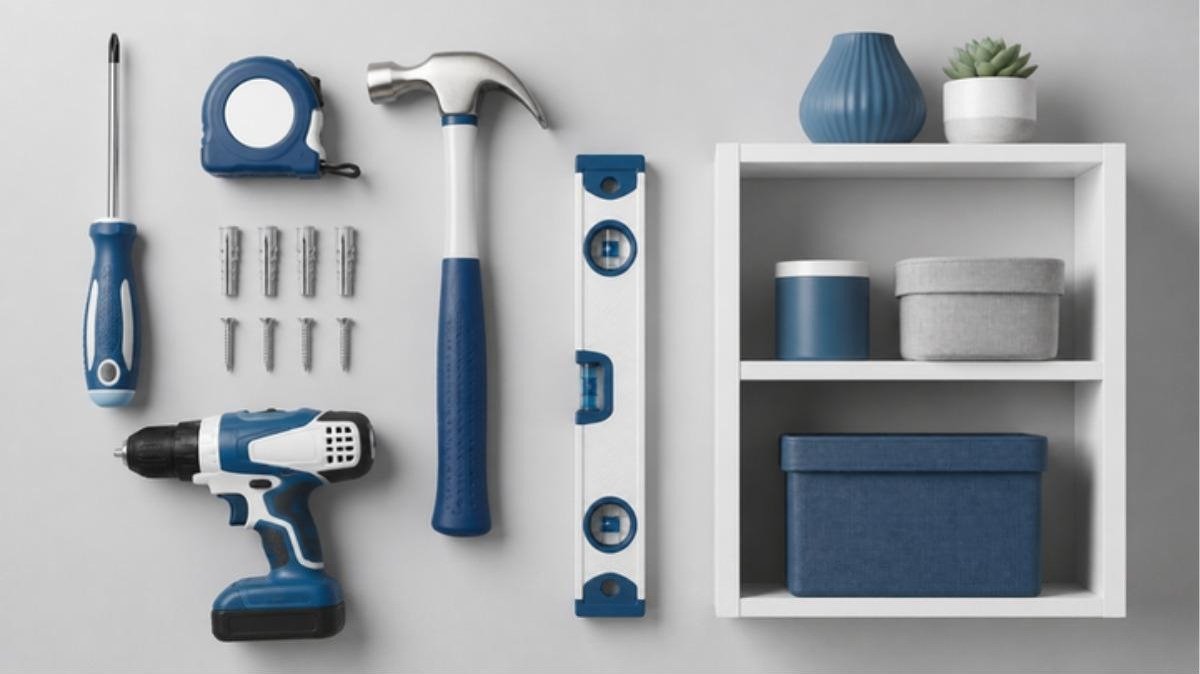
Every Dubai home has a list of small jobs that never quite get done: the TV that is still on the console, the curtain rail waiting to go up, the bathroom sealant that has turned grey. Some of these are safe to tackle yourself. Others look easy but can damage walls, doors or fittings if they go wrong. This guide helps you decide which handyman jobs in Dubai are worth doing yourself, and when it makes sense to book help.
Why small jobs go wrong
Small repairs usually fail for the same reasons: the wrong fixing for the wall, no check for hidden cables or pipes, poor measuring, or a rushed finish. In many apartments the wall type changes from room to room. A concrete wall, a hollow partition and a tiled surface each need a different approach. A drill hole in the wrong place is much harder to fix than a hole in the right place is to make.
Jobs you can usually do yourself
If you have basic tools and a little patience, these are reasonable DIY tasks:
- Hanging light pictures. Small, lightweight frames on a solid wall with suitable hooks.
- Simple flat-pack furniture. Small tables, shelves and chairs, as long as you have time and follow the instructions.
- Replacing a toilet seat or tap aerator. Minor fittings that are designed to be swapped.
- Tightening loose handles and hinge screws. Often the fix is just a screwdriver.
- Cleaning and re-fixing cupboard catches. Quick and low risk.
Even for these, switch off the power at the breaker if you are working near sockets or lights, and stop if you are unsure what is behind the wall.
Jobs worth handing to a handyman
Some tasks carry more risk than they appear to:
- TV and shelf mounting. Heavy items need fixings matched to the wall type and a level, secure finish. A mount that pulls out can damage the wall and the TV.
- Curtain rails, rods and blinds. Brackets must hit solid fixing points, and long rails need accurate levelling and spacing.
- Large or complex furniture assembly. Wardrobes, beds and modular units take time and often need two people.
- Door, hinge and lock repairs. Misaligned doors and faulty locks affect security and daily use.
- Re-sealing kitchens and bathrooms. Old silicone and grout should be removed properly, the area cleaned and dried, and fresh sealant applied neatly.
- Mirrors and heavy decor. Weight and glass make these unsafe to guess.
Step-by-step: before any drilling
Whether you do it yourself or ask for help, follow these steps before putting a drill to the wall:
- Decide the exact position. Mark it with a pencil and check it with a spirit level and tape measure.
- Check what is behind the wall. Cables and pipes often run vertically from sockets and switches, and horizontally between them. Avoid those lines.
- Identify the wall type. Tap gently. A hollow sound suggests a partition, which needs different fixings than solid concrete.
- Match the fixing to the weight. Check the load rating of plugs, screws and brackets against what you are hanging.
- Protect the surfaces. Use tape or a small tray under the drill point to catch dust, and cover floors if you are working over them.
- Test before trusting. Apply gentle load to a new fixing before you hang anything valuable.
Common mistakes to avoid
- Drilling without checking for cables or pipes.
- Using the same plug in every wall type.
- Mounting a heavy TV on a thin partition without proper support.
- Skipping the level and finding the shelf is crooked once it is full.
- Putting new silicone over old, mouldy sealant.
- Forcing a sticking door or lock instead of finding why it sticks.
Warning signs you should stop
Stop and seek help if you notice any of the following:
- A drill suddenly meets resistance or sparks, or there is a smell of burning.
- Water appears from a drilled hole.
- A hairline crack starts to spread across the wall.
- The wall feels loose or crumbles around the fixing.
If you suspect an electrical or plumbing problem, do not continue. Those jobs belong with a qualified electrician or plumber.
Tenants, landlords and property managers
Tenants should check their tenancy contract before drilling into walls or changing fixtures, since many landlords have rules about holes and fittings. Landlords and property managers dealing with several units can save time by grouping small jobs together: one visit to hang curtain rails, fix door hinges and re-seal a bathroom is easier to schedule than three separate calls. Keeping a simple list of recurring small repairs for each property also makes it easier to keep standards consistent between tenants.
When to call a professional
Book a handyman when you have several small jobs, when work involves heavy or fragile items, when you are unsure what is inside the wall, or when you do not have the right tools. Listing everything when you book helps the right amount of time be planned for the visit.
How Clear Home can help
Clear Home’s handyman services in Dubai cover TV and shelf mounting, curtains and blinds, furniture assembly, doors, hinges and locks, silicone and grouting, and general odd jobs. Several jobs can be done on one booking, standard fixings are brought, and walls are checked before drilling. The price is agreed after inspection and before work starts. For multi-unit support, see our property management page, or request a quote to describe your list.
Quick summary
Small jobs are easy to underestimate. Do the light, low-risk tasks yourself, check walls before drilling, and hand heavier or more delicate work to a handyman so it is done securely and neatly.