Why Does My Circuit Breaker Keep Tripping? A Dubai Home Guide
Breaker tripping again? Learn the common causes, safe checks you can do, and when to call an electrician in your Dubai home.
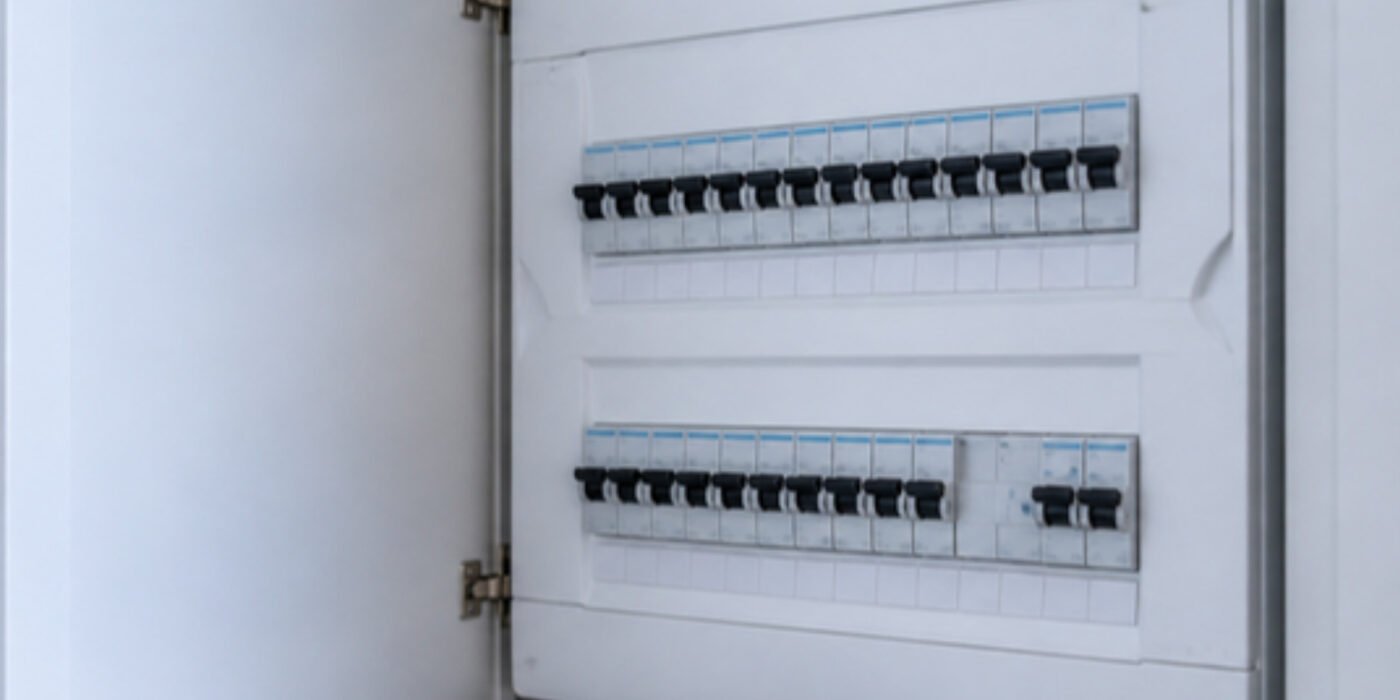
You switch on the kettle, the power cuts out, and you walk to the distribution board to flip the breaker back up. Twenty minutes later it happens again. A tripping breaker is annoying, but it is also doing its job: it is a safety device that cuts the power when something in the circuit is wrong. Understanding why it trips helps you decide what you can safely check and when it is time to call a professional.
This guide is for homeowners, tenants, landlords and property managers in Dubai who want a practical way to think about repeated power trips.
What a tripping breaker is telling you
Your distribution board (DB) contains breakers that protect individual circuits, such as lighting, sockets, the kitchen or the AC. Many homes also have a residual current device (RCD) or similar protection that reacts to current leaking where it should not. Each one trips for a different reason, and the reason matters.
Overload
Too many appliances on one circuit draw more current than the circuit is designed to carry. In a Dubai summer this is common: the AC, a water heater, a washing machine and a microwave can all be running at once. An overload usually trips the breaker after a short delay and only when several appliances are on together.
Short circuit
A short circuit happens when live and neutral conductors touch, often because of damaged insulation, a loose connection or a faulty appliance. The breaker usually trips instantly, sometimes with a click, a flicker or a burning smell. This is more serious than an overload.
Earth leakage
If an RCD trips, current may be leaking to earth. Causes include a damaged appliance, moisture getting into a socket or fitting, or worn cable insulation. Bathrooms, kitchens, balconies and outdoor lighting are common places for this, especially after cleaning, a leak or humid weather.
A faulty breaker or loose connection
Breakers can wear out, and connections inside the board can loosen over time. A breaker that feels hot, trips for no clear reason or will not stay on may point to this.
Safe checks you can do yourself
These steps only involve switching things off and observing. Do not open the DB cover or touch any wiring.
- Note when it trips. Is it when the AC starts, when you use one appliance, or at random times? Write it down; it will help an electrician.
- Unplug everything on that circuit. Switch off and unplug appliances connected to the affected sockets or lights.
- Reset the breaker once. If it stays on, plug appliances back in one at a time. If the breaker trips when a particular appliance is connected, that appliance is the likely culprit.
- Look and smell. Check for scorch marks, discolouration, a burning smell, crackling sounds or water near sockets and fittings.
- Check for moisture. After a leak, cleaning or heavy humidity, keep the circuit off until the area is dry and inspected.
Common mistakes to avoid
- Repeatedly forcing the breaker back on. If it trips straight away, there is a fault. Resetting it again and again can make things worse.
- Taping, bypassing or replacing a breaker with a larger one. Breakers are sized to protect the cable. A larger breaker can allow the wiring to overheat.
- Overloading extension leads. Plugging several high-power appliances into one extension lead is a common cause of overload and heat.
- Ignoring warm sockets or plugs. Heat is an early warning of a loose connection or overloaded point.
- Opening the DB yourself. The board contains live parts even when a breaker is off.
Warning signs: stop and call a professional
Switch off what you can safely switch off and arrange an inspection if you notice:
- a breaker that trips again immediately after reset;
- a burning smell, smoke, sparks or scorch marks;
- sockets, plugs or the DB cover that feel hot;
- buzzing or crackling from sockets or the board;
- tripping that follows water leaks or damp near electrical points;
- tingling or mild shocks from an appliance or fitting.
If there is smoke, fire or immediate danger, leave the area and call the emergency services.
Tenants, landlords and property managers
If you rent, report repeated tripping to your landlord or property manager rather than altering the wiring yourself. Landlords and property managers benefit from keeping a short record of when and where trips happen across a property, because patterns often point to overloaded circuits or ageing fittings. Building rules may also apply to who can work on electrical systems, so check with your building management before booking work.
When to call an electrician
Call a professional when the cause is not obvious after the safe checks above, when the same circuit trips more than once, or when any of the warning signs appear. An electrician can test the circuit, inspect the DB and connections, and identify whether the cause is an overload, a faulty appliance, earth leakage or a failing component. After an inspection you should receive a clear quotation before any work starts.
How Clear Home can help
Clear Home’s electrical services in Dubai cover fault finding and power trips, sockets and switches, lighting, DB and panel inspection, and appliance connections. You can book a visit online, by chat or on WhatsApp, and the technician confirms the quotation after inspection and before work begins. If you manage several properties, see our property management page, or request a quote to describe your issue.
Quick summary
A breaker trips to protect you. Note when it happens, unplug appliances, reset it once, and look for obvious signs of damage or moisture. If it trips again, smells, heats up or follows a leak, stop and get it inspected.